
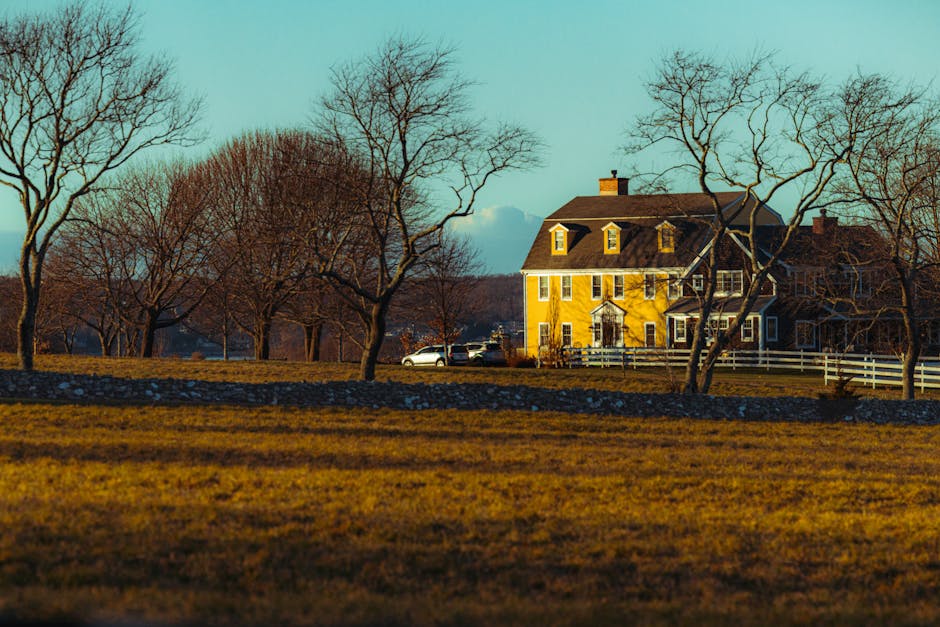
Cumberland, Rhode Island, is more than just another picturesque New England suburb—it’s a town imbued with layers of history, unique milestones, and a lifestyle deeply rooted in its past. While every New England town has its own claim to historical fame, Cumberland’s narrative stands out not just within Rhode Island, but across the northeastern United States. Here’s a deep look at what makes Cumberland’s history one-of-a-kind and how traces of this vibrant past thread through the daily lives of its residents.
Early Settlement and Colonial Roots
Cumberland’s story begins in the heart of the 17th century. Unlike many parts of Rhode Island founded on ideas of religious freedom and dissent, Cumberland’s earliest days were shaped by land grants and the expansion from nearby Massachusetts. First settled by English colonists, Cumberland officially became part of Rhode Island in 1746, after a lengthy boundary dispute with Massachusetts—a fact that sets it apart from many other Ocean State towns.
- The Blackstone Valley, where Cumberland sits, was fertile ground for early farms.
- Local families can trace their roots to these colonial beginnings, giving today’s residents a tangible sense of place and continuity.
An Essential Role in the Industrial Revolution
Cumberland’s transformation during the Industrial Revolution is among the most pivotal chapters in its history. The Blackstone River, which winds along the town’s edge, powered some of America’s very first textile mills.
- The historic Valley Falls Company was a cornerstone of early American industry.
- Its success attracted generations of workers and shaped the town’s landscape with historic mill villages like Ashton and Lonsdale.
Today, these mills are preserved as part of the Blackstone River Valley National Historical Park, a destination that draws history buffs and families for weekend strolls. Life in Cumberland often involves family walks along the Blackstone River Bikeway or exploring mill ruins—an everyday reminder of the town’s critical place in industrial history.
Revolutionary War Connections
Cumberland reveals yet another layer in its rich past during the American Revolution. It was here that the mysterious Nine Men’s Misery monument was erected—the oldest known war memorial in America.
- This somber site commemorates fallen colonists from the 1676 King Philip’s War, as well as later Revolutionary War ties.
- As part of the broader Rhode Island State Parks system, it invites residents for moments of reflection and connects them to the earliest narratives of America’s fight for independence.
The presence of such historic sites influences local education and the pride Cumberland families take in their community’s sacrifices and resilience.
Quarrying the Cumberlandite: A Geologic Distinction
Among its many unique claims, Cumberland is home to something found nowhere else on earth: Cumberlandite.
- This rare, iron-rich rock is Rhode Island’s official state rock and is unique to a small area in Cumberland.
- Historically, locals attempted to use Cumberlandite for cannon production during the Revolutionary War—only to find it too brittle for this purpose.
Today, it’s a favorite curiosity for local schoolchildren and amateur geologists, with families often heading to Diamond Hill Park in search of this singular stone. The presence of Cumberlandite is a quirky, homegrown distinction that brings a bit of scientific adventure into the lifestyle of Cumberland’s residents.
Diamond Hill: From Farming To Festivals
Another distinction in Cumberland’s history is Diamond Hill, a rugged natural feature rising over the landscape.
- Originally used for grazing and quarrying, by the late 19th and 20th centuries, Diamond Hill became a recreation destination.
- Today, it is the site of popular local festivals and outdoor activities—most notably the annual Cumberlandfest, a staple summer celebration featuring carnival rides, music, and fireworks.
Diamond Hill also played a role in the region’s ski culture—a now-vanished ski resort operated here during the mid-20th century. Residents continue to gather at Diamond Hill for everything from snow tubing in winter to hiking and summer races, reflecting the way local history shapes today’s vibrant community life.
The Heritage of Immigrant Communities
The late 19th and early 20th centuries brought waves of immigrants to Cumberland, drawn by mill work and new opportunities.
- French Canadians, Irish, Portuguese, and Italians all settled in Cumberland’s neighborhoods, imprinting their cultures on local life.
- This multi-ethnic heritage is still visible in today’s churches, social clubs, and family-run bakeries and restaurants across town.
The sense of close-knit neighborhoods and cultural pride remains a key feature of Cumberland’s lifestyle, celebrated in seasonal fairs, parades, and traditional foods that bring generations together.
Preservation and Modern Life: A Town that Honors Its Past
Cumberland stands out in Rhode Island for its commitment to preservation—of both its built environment and small-town, neighborly feel.
- Many historic homes, churches, and mill buildings have been lovingly restored or repurposed for modern life, giving the town a character that blends old and new.
- Community events often revolve around these landmarks, from holiday markets in historic halls to art installations along the Blackstone River.
For current residents, this intersection of heritage and everyday life offers a lifestyle that feels rooted and authentic. Whether you are a longtime local or a new arrival, Cumberland’s ongoing respect for its legacy creates a sense of belonging and pride.
Why Cumberland’s History Matters Today
People searching for, “What makes Cumberland’s history unique in Rhode Island?” will discover more than a litany of dates—they’ll find a living history that inspires community engagement, outdoor enjoyment, and educational pride.
- Residents young and old participate in annual historical tours and school field trips to local monuments.
- The unique fusion of industrial, colonial, and natural history fosters a tight-knit community atmosphere.
- The pride in local geology, mill culture, and immigrant heritage makes Cumberland stand out, not just in historical records but in family traditions, school events, and the rhythms of daily life.
In Cumberland, history isn’t just something read about in books—it’s woven into the trails residents hike, the festivals families attend, and the stories locals share. It is this sense of a living, breathing past that truly makes Cumberland’s history unique in Rhode Island.